
Why California Ingredients Make the Best Pizza in San Diego
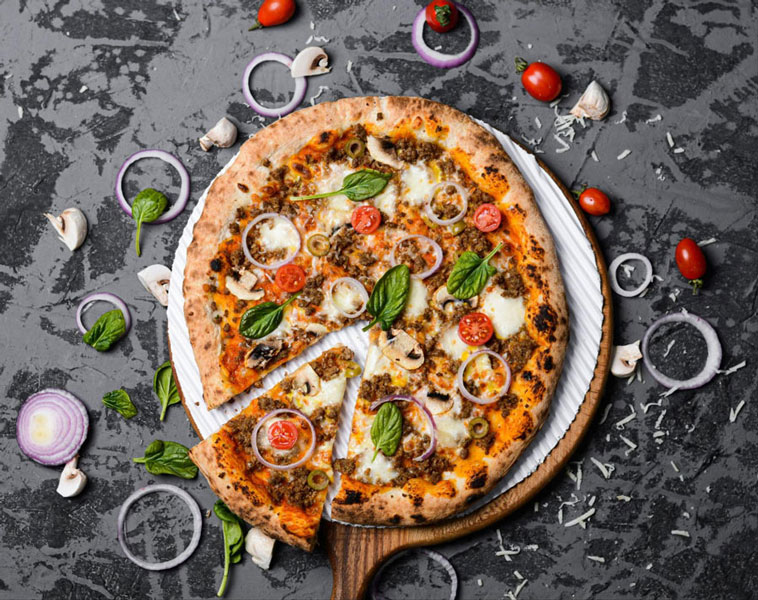
The toppings on your pizza say a lot about the shop that made it. Produce grown and bought close to home tastes brighter than produce trucked across the country, and that gap shows up in every bite. Here is how California sourcing and made-to-order pies add up to a better slice, and how to spot the difference yourself.
Key Takeaways
- Local sourcing means shorter trips from farm to kitchen, which keeps produce fresher.
- You can see freshness on a slice in the color and smell of the toppings.
- Fresh ingredients only pay off when each pizza is made to order, not pre-made.
Most people pick a pizza by the toppings they like. The better question is where those toppings came from. A tomato picked nearby and used within days tastes different from one shipped a long way and held in storage. You taste freshness, and you taste its absence too.
This is one real difference between a local shop and a chain. When you want the best pizza San Diego has, you want a kitchen that buys close to home and uses it fast. California grows much of the country’s produce, so a San Diego shop sourcing in-state has a short supply line.
So what does local sourcing mean in a kitchen, and how do you check for it? Let’s break it down. It comes down to distance, timing, and whether the pizza is built after you order.
What “Locally Sourced” Means at a Pizzeria
Locally sourced gets used a lot, but it has a plain meaning. It means a kitchen buys from farms and suppliers within a reasonable distance, often the same state. For a San Diego shop, that means produce grown in California instead of trucked in from far away.
The reason is simple. Shorter distance means less time between the farm and your plate. Produce starts losing flavor the moment it is picked, so buying in-state keeps that clock shorter.
Here is what local sourcing involves:
- Buying produce from nearby farms and suppliers
- A shorter distance from the field to the kitchen
- Less time in trucks and cold storage before use
Shorter Trips, Fresher Produce
Freshness is mostly a question of time. A vegetable picked and delivered within a day or two holds its color, moisture, and flavor. The same vegetable shipped across the country can spend a week in transit and storage, and by the time it lands, it has faded.
You notice this most with delicate items. Fresh basil wilts fast. Ripe tomatoes soften and lose their punch. Bought close to home, they arrive in better shape.
Why shorter trips help the food:
- Produce holds its color and moisture longer
- Herbs like basil stay bright instead of wilting
- Tomatoes keep their flavor and firmness
Toppings Where Freshness Shows
Some toppings hide their age better than others. Heavy sauces and cured meats cover a lot. Fresh produce does not. Tired vegetables are hard to disguise on a simple pizza.
Pay attention to the vegetables and herbs. Bright color and a clean smell are good signs. Dull or limp edges point the other way.
Fresh produce to watch for on a slice:
- Roma tomatoes that look firm and deep red
- Fresh basil with bright green, un-wilted leaves
- Baby spinach that looks crisp, not slimy
Fresh Ingredients Need Made-to-Order Pies
Good ingredients can still be wasted. If a pizza sits pre-made under a warm light for an hour, the fresh produce steams, softens, and loses the edge you paid for. Sourcing pays off only when the kitchen builds each pizza after the order comes in.
Made to order means your pie goes together fresh and straight into the oven. The tomatoes keep their bite and the basil stays bright. The crust comes out hot, not reheated. The same ingredients taste better this way.
What made-to-order protects:
- Produce that keeps its texture instead of steaming
- Herbs that stay fresh rather than wilting under heat
- A crust baked fresh, not reheated
Pies That Put Produce First
Some pizzas are built to show off fresh produce, and those are the ones to try if you want to taste the sourcing. A Margherita keeps it simple with fresh mozzarella, Roma tomatoes, and basil, so weak ingredients have nowhere to hide.
For more vegetables, the Veggie Deluxe loads on artichoke, Roma tomato, baby spinach, mushroom, and basil over red sauce. The Veggie White runs zucchini, green peppers, Roma tomatoes, black olives, and an onion mix over white sauce. Both lean on produce, so both taste best when it is fresh.
Produce-forward pies worth a try:
- Margherita: fresh mozzarella, Roma tomatoes, and basil
- Veggie Deluxe: artichoke, spinach, mushroom, tomato, basil
- Veggie White: zucchini, peppers, tomato, olives, onion
Questions to Ask Any Pizzeria
You do not have to take any shop’s word for it. A few simple questions tell you how seriously a kitchen takes its ingredients. Good shops answer happily.
Ask where the produce comes from and how often it arrives. Find out whether pizzas are made to order. A good shop will also tell you what is fresh versus canned or frozen. How readily they answer tells you a lot.
Questions worth asking:
- Where do your vegetables and herbs come from?
- Are pizzas made to order or pre-made?
- Which toppings are fresh rather than canned or frozen?
A Fresher Slice Starts With Sourcing
A great slice is not an accident. It starts with ingredients bought close to home and used while fresh, then built into a pizza made the moment you order. California sourcing shortens the trip, and a made-to-order kitchen protects what that sourcing delivers. Put the two together and you taste the result.