
Reading Reviews When You Search Pizza Near Me
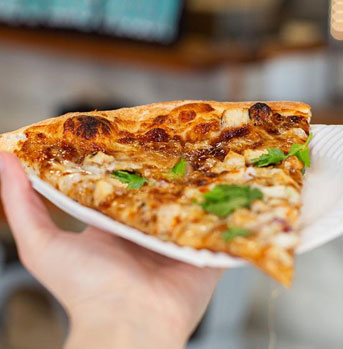
During a pizza near me search, a handful of reviews from the last month or so say a fair bit about the food. Customer photos and named pies help a fair amount too.
Key Takeaways:
• A pizza near me search goes better when reviews name actual pies.
• Recent reviews say more than old ones, for the most part.
• Food complaints and delivery complaints are worth reading separately.
• Customer photos show real size better than menu pictures.
• Short, vague five-star posts probably deserve a little less weight.
Somebody searching pizza near me around Pacific Beach will see a star rating first, maybe a 4.6 or so. That number helps a little. Anyone curious still has to scroll down to find out what the crust is like. A few minutes with the actual reviews usually answers a lot more.
A few small habits help the best pizza near me spots show up pretty quickly in a page of reviews. Someone mostly needs to glance at the dates and see if a pie gets named here and there. Perhaps that sounds like homework. In practice it takes about as long as a pizza does to bake.
Starting with the Newest Reviews
- Looking at When Each Review Was Posted: Plenty can happen in a pizza kitchen over a year or two. New cooks come in and the menu shifts a bit. Reviews from the last few months probably describe the pizza that would actually show up tonight. Older posts still count for something, just a little less.
- Reading the Last Ten or So: Sorting by newest and reading the last ten reviews gives a decent picture. If most of them sound happy, the place is probably doing fine right now. A sudden run of complaints about soggy crust in one month is worth noticing, even when the overall rating looks fine.
Looking for Reviews That Name a Pie
- Paying Attention to Named Pies: Reading great pizza over and over on a review page gets a little old after a while. Somebody writing that the barbecue chicken pie came with lots of cilantro and a thin crust helps the next person ordering a lot more. Those posts come from people who probably ate there more than once.
- Using Reviews to Pick an Order: When several people mention the same pie, that is a fairly safe first order. A white sauce pie with spinach and garlic might come up a lot on one page. Plenty of people order that one first after a pizza near me search, and it usually goes fine.
Sorting Food Problems from Service Problems
- Reading a Complaint All the Way Through: One-star reviews sometimes have nothing to do with the pizza itself. A driver got lost on a Friday night, or the phone line was busy. That happens at most places. A greasy pie with a doughy middle is something else, and the kitchen probably wants to hear about it.
- Weighing a Slow Delivery Night: Delivery runs late at a lot of places on a busy holiday weekend, and most of them catch up by the next order. Picking the pie up might avoid it anyway. Notes about raw dough showing up three or four times on one page are a bit more worrying.
Counting How Many People Said It
- Checking if Other People Said It Too: A comment about sweet sauce from one person is just one person’s taste. Five or six people saying it over a year is harder to brush off. The nice comments add up the same way, like a few people mentioning the pizza was ready when they got there.
- Reading the Compliments Too: Most people scroll right past the good stuff. A lot of reviews for a good local shop mention friendly counter staff, or fast service on busy weekends. Somebody would have to work pretty hard to fake that across forty or fifty reviews. Most likely the counter really is that quick.
Checking Photos That Customers Post
- Seeing the Real Size of a Pie: Menu photos are taken in nice light by someone who knows what they are doing. Customer photos show the pizza on a kitchen table, sometimes still in the box. A plate sitting next to an 18-inch pie in one of those photos shows how big it really is.
- Zooming in on the Crust: Pinching to zoom on a customer picture shows the edge of the crust pretty clearly. Anyone hoping for a thin, crisp one can see if that is what actually arrived. Sparse toppings are pretty easy to spot in a photo too, more than people expect.
Reading How Owners Reply
- Watching for Owners Who Answer: Some owners reply to reviews, which says something about the place. A short, polite answer to a complaint, maybe offering to fix the order, is a decent sign. Somebody is reading them. Pages where nobody replies are fine too. There is just a bit less to go on.
- Noticing Replies That Feel Copied: The same reply pasted under twenty reviews does not count for much. An owner arguing with a customer in public is not great to see either. A reply that mentions the actual pie, or the night it happened, usually comes from someone who checked with the kitchen first.
Spotting Reviews That Say Very Little
- Looking Past Thin Five-Star Posts: A long list of five-star reviews that only say great or best pizza does not help much. Some of them are real, from happy customers in a hurry. Others are a bit harder to trust. A few warning signs come up fairly regularly on pages like that:
- A dozen reviews posted in one week, then nothing for months.
- Wording that looks copied from one review to the next.
- No mention of a pie or a visit at all.
- Brand-new profiles with one review ever.
- Giving More Weight to Detailed Reviews: Longer reviews from accounts with some history are usually more useful. Someone who has reviewed a dozen local places probably knows what decent pizza tastes like. Their three-star review might say more than ten vague five-star ones. Reading those first saves a fair amount of scrolling.
Ordering with a Little More Confidence
A few minutes of reading usually saves an order that might have been disappointing. Recent posts and a couple of customer photos are enough for most people. Anyone in Pacific Beach or nearby Mission Beach can look through the reviews, check the specialty menu and place an order for pickup or delivery tonight.